Clothing Size Chart
Compare US, UK, EU, and JP clothing labels with body measurements, then open brand tops, jeans, kids charts, or the converter.
What are you looking for?
Quick reference: women's & men's tops labels
Sample US, UK, EU, and JP labels for tops and dresses. For body measurements or a specific brand, use the links below the tables.
Women's (US sample sizes)
| US | UK | EU | JP |
|---|---|---|---|
| 4 | 8 | 36 | 9 |
| 8 | 12 | 40 | 13 |
| 12 | 16 | 44 | 17 |
Men's (letter sizes)
| US | UK | EU | JP |
|---|---|---|---|
| S | S | 46 | M |
| M | M | 48 | L |
| L | L | 50 | XL |
Jeans & pants size charts
Pants and jeans use waist-based labels (W×L for men's denim)—not the same rows as tops above. Start here if you are sizing denim or trousers.
Men's W sizes, women's jean sizes, plus kids waist and hip.
Women, men, and kids—waist and hip, including maternity.
Gap waist and hip for adults, kids, and teens, plus maternity.
Women's denim and skirts (regular, petite, curvy, tall) and men's waist.
Women's waist and hips — regular, petite, tall — plus girls.
Women's alpha, plus, and numeric bottoms; men's waist sizes.
Men's and women's bottoms with tall, short, petite, and plus.
Women's and men's tops and bottoms from official body charts.
Chest, waist, and hip for HOKA men's and women's apparel.
Men's W sizes and women's international pant sizes with waist in cm.
Convert pant labels by waist — inches, cm, and region labels.
Waist to belt label with the common US +2 inch rule.
Waist inches to belt size and EU strap cm ranges.
Waist, inseam, and W×L tag reading for jeans and trousers.
Brand charts
Pick a brand, then open Men's, Women's, or Kids. A Pants badge means that brand page also has pants and jeans. Use Fit type for plus, petite, or tall when it appears.

US, UK, EU, JP reference tops
Tops + pants/jeans charts

Tops + pants/jeans charts
Tops + pants/jeans charts
View size chart
Tops + pants/jeans charts

Tops + pants/jeans charts
Tops + pants/jeans charts
Pants & jeans chart

Pants & jeans chart
Pants & jeans chart
International clothing size conversion
Convert tops and dress labels between US, UK, EU, JP, and Asian systems when shopping abroad.
European dress and top labels to US women's and men's sizes.
British clothing labels to US equivalents.
Common Asian letter and numeric tops sizing to US.
More conversion tools & generic chart
Kids & children's clothing
Use the converter below for US, UK, EU, and JP kids labels. For brand kids tops tables, open a brand card above that shows the Kids badge, then switch to the Kids tab on that chart page.
Age/height clothing table, youth XS–XL, and links to kids shoes and diapers.
T-shirt letter sizes by chest/bust plus Nike youth XS–XL.
US, UK, EU, and JP kids sizes with height, weight, and chest.
Baby diaper sizing by weight bands (separate from apparel tops).
Plus size clothing & extended fit tops
Shopping for plus size clothing or plus size dresses? Start with your chest, waist, and hip measurements, then match them to brand charts. Many labels publish separate plus, petite, tall, or maternity rows—use the Fit type filter on each brand page below.
Clothing, shoes, jeans, bras, and rings for women's sizing in one place.
US 14+ women's rows and men's XXL–4XL letter sizes.
Dress & occasion guides
Silhouette, fabric, and fit checks for evening and cocktail dresses.
Bridal planning: support, alterations, and timeline for plus size gowns.
Dress codes, length, and comfort tips for formal weddings.
Plus size clothing size chart — everyday tops with US 14+ and brand plus rows.
Brand tops with plus / petite / tall rows
More tools
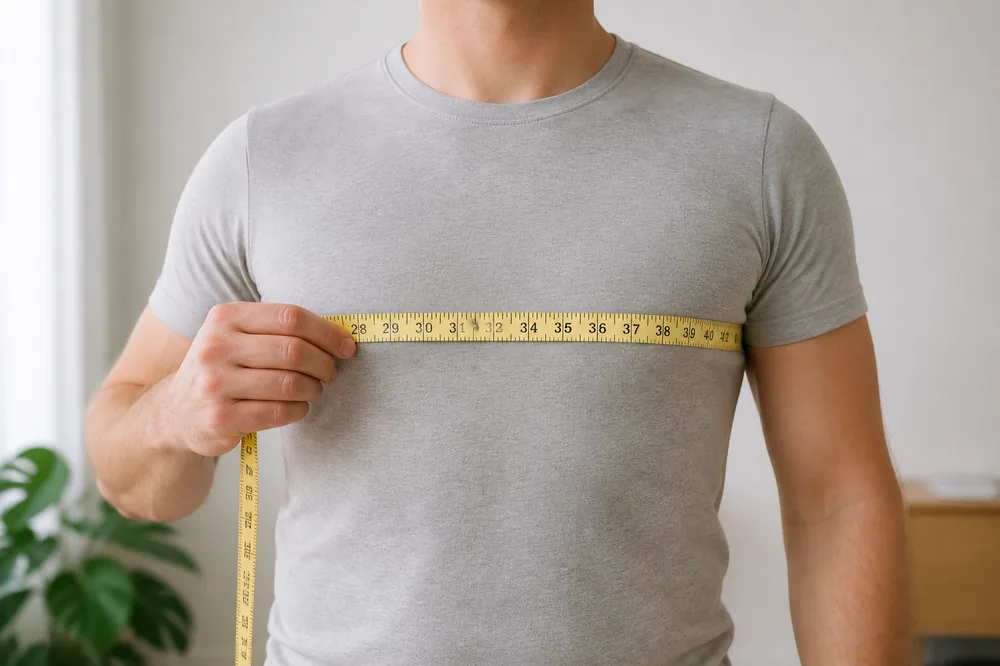
How to measure for clothing sizes
For tops
- Chest/Bust: Measure around the fullest part of your chest
- Waist: Measure at the natural waistline
- Hip: Measure around the fullest part of your hips
For kids
- Height: Measure from top of head to floor
- Chest: Measure around the fullest part
- Waist: Measure at the natural waistline
- Hip: Measure around the fullest part
Important notes
- Tops, pants, and bras each use different size charts—pick the section that matches the garment
- Always refer to the specific brand's size chart when available
- Consider your body shape and fit preferences when selecting sizes
- When in doubt, choose the larger size for comfort
- Kids' sizes are typically based on age ranges and average measurements
- Petite, tall, and plus ranges use separate columns where listed on brand pages
FAQ & size systems
How do I choose the right clothing size?
Start by taking your body measurements (chest, waist, hip) and compare them to the size chart. Prefer a relaxed or fitted style? When between two sizes, choose the larger one for comfort.
Where are jeans and pants size charts?
Jeans and pants use waist-based labels, not the same system as tops. Use the Jeans & pants section near the top of this page for our pants size chart, pants converter, and how-to-measure guide.
How do I find plus size or petite tops?
Open a brand tops chart (Adidas, Nike, or Gap) and use the Fit type filter for plus, petite, tall, or maternity when the brand lists those separately. For plus size dresses and formal wear, see the Plus size clothing section—it links to our formal, bridal, and wedding guest guides.
Where can I find a plus size clothing size chart?
Use the Plus size clothing section on this page for brand tops with extended sizes, or open our plus size dress guides for formal and bridal tips. Enter your body measurements in the Clothing Size Converter to compare US, UK, and EU labels.
Why are there different size standards (US, UK, EU, JP)?
Different regions have developed their own sizing systems over time. US and UK use similar systems but with slight variations. EU uses a different numbering system, while JP sizes tend to run smaller. Our charts help you convert between these standards.
How accurate are these size charts?
Our charts are based on industry standards and brand data, but sizing varies by brand and style. Use them as a starting point, then confirm on the product's size chart when you can.
What should I do if my measurements fall between two sizes?
Consider your body shape and fit preferences. If you have broader shoulders or prefer a looser fit, choose the larger size. If you prefer a more fitted look or have a narrower frame, the smaller size might work better.
Label conversions use published brand charts where available; body-measurement tools prefer inches/cm over guessing from one letter size.
- Nike apparel Size & FitBrand size guide · Last checked: 2026-10-05https://www.nike.com/size-fit/mens-tops
- adidas Size Charts (apparel)Brand size guide · Last checked: 2026-10-05https://www.adidas.com/us/help/size_charts
- Gap Size ChartsBrand size guide · Last checked: 2026-10-05https://www.gap.com/customer-service/size-charts
Full method: How we source size data