
How to Measure for Bra Size
Soft measuring tape: underbust (band), then bust standing and leaning (cup). Enter the numbers in the calculator for US / UK / EU—then check sister sizes if the band or cup needs a tweak.
3 steps to measure bra size
- Underbust snug with tape → band (32, 34, 36…)
- Bust standing at fullest point
- Bust leaning forward → refine cup letter
Band 32–38 & common sizes (while you measure)
Common bands are 32, 34, 36, and 38. A size like 34B pairs the band with a cup letter. Numbers match the conversion chart; brand cuts still vary.
- US/UK 32 band≈ EU 70 · JP 70Common smaller band
- US/UK 34 band≈ EU 75 · JP 75Very common US band
- US/UK 36 band≈ EU 80 · JP 80Often ≈ EU 80
- US/UK 38 band≈ EU 85 · JP 85Larger everyday band
Common sizes (US → UK / EU)
- 32BUK 32B · EU 70BSisters: 30C, 34A
- 34BUK 34B · EU 75BSisters: 32C, 36A
- 36CUK 36C · EU 80CSisters: 34D, 38B
- 38DUK 38D · EU 85DSisters: 36DD, 40C
Bra size calculator →How to measure →Full bra chart →US ↔ UK cups →

Bra Size Chart (US / UK / EU)
Full bra size chart →Quick reference for common band and cup sizes. Use the calculator below for your exact fit.
| US | UK | EU |
|---|---|---|
| 32B | 32B | 70B |
| 34B | 34B | 75B |
| 36C | 36C | 80C |
| 38D | 38D | 85D |
Common Problems with Wrong Sizes:
- • Back and shoulder pain from poor support
- • Breast tissue spillage or gaping cups
- • Straps digging into shoulders
- • Band riding up or sliding down
- • Uncomfortable underwire positioning
Benefits of Correct Sizing:
- • Optimal comfort throughout the day
- • Proper breast support and shape
- • Reduced back and neck strain
- • Enhanced confidence and posture
- • Longer-lasting bra life
💡 Professional Tip:
This method uses three measurements—standing and leaning bust plus band—for a more reliable cup estimate.
Under Bust Measurement
What to measure: Around your ribcage, directly under your breasts
How to measure:
- Stand straight with arms at your sides
- Wrap tape measure snugly around ribcage
- Keep tape parallel to the floor
- Measure on exhale for most accurate reading
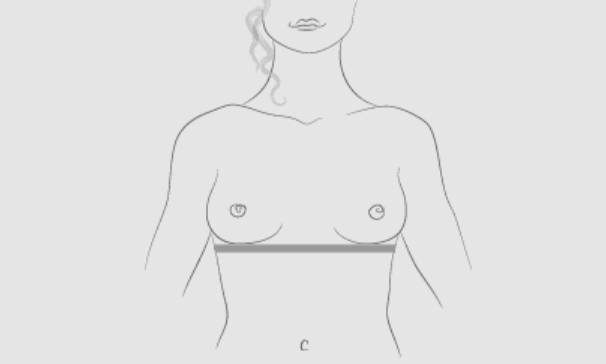
Important: This measurement determines your band size
Bust Standing
What to measure: Around the fullest part of your bust while standing
How to measure:
- Stand straight with good posture
- Wrap tape around fullest part of breasts
- Keep tape parallel to the floor
- Don't compress breast tissue
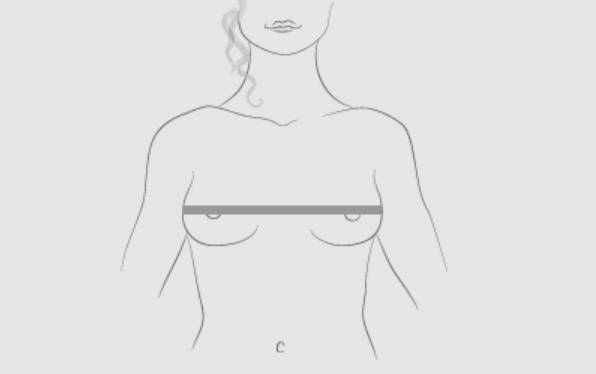
Weight in calculation: 70% of final bust measurement
Bust Leaning Forward
What to measure: Around fullest part while leaning forward 90°
How to measure:
- Lean forward at the waist
- Let breasts fall naturally into cups
- Measure around fullest part
- Keep tape level and snug
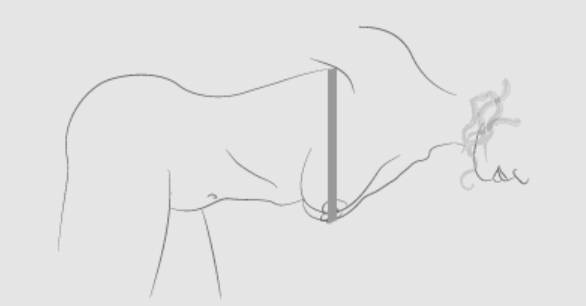
Weight in calculation: 30% of final bust measurement
🧮 Calculation Formula:
Final Bust = (Bust Standing × 0.7) + (Bust Leaning × 0.3)
Cup Size = Final Bust - Under Bust measurement
The traditional method uses two measurements and is widely used by most bra retailers and online calculators.
Step-by-Step Process:
Measure Under Bust
Same as method above - around ribcage under breasts
Measure Full Bust
Around fullest part while wearing a well-fitting bra
Calculate Cup Size
Subtract under bust from full bust measurement
Pros & Cons:
Advantages:
- • Simple and quick to perform
- • Widely recognized method
- • Good starting point for sizing
Limitations:
- • Less accurate for larger cup sizes
- • Doesn't account for breast shape
- • May require trial and error
Don't have a measuring tape? No problem! Here are several alternative methods to find your bra size at home.
String + Ruler Method
What you need: String, ruler, or any straight object with measurements
Steps:
- Use string to wrap around measurement areas
- Mark where string meets
- Lay string flat against ruler
- Read measurement from ruler
Tip: Use non-stretchy string for accuracy
Existing Bra Comparison
What you need: Your best-fitting bra
Steps:
- Try on your best-fitting bra
- Check band tightness and cup fit
- Adjust up or down based on fit issues
- Use sister sizing for fine-tuning
Tip: Look for band riding up (too loose) or cup spillage (too small)
Clothing Size Reference
What you need: Your regular clothing sizes
General guidelines:
- Small shirts: 32-34 band
- Medium shirts: 34-36 band
- Large shirts: 36-38 band
- XL shirts: 38-40 band
Note: This is approximate - individual fit varies
Use your measurements with brand charts—band and cup labels can shift by brand and region.
Cup Size Chart (US/UK)
| Difference (inches) | US Cup | UK Cup |
|---|---|---|
| 0-0.5 | AA | AA |
| 1 | A | A |
| 2 | B | B |
| 3 | C | C |
| 4 | D | D |
| 5 | DD | DD |
| 6 | DDD/F | E |
| 7 | G | F |
| 8 | H | FF |
Band Size Chart
| Measurement (inches) | US Band | EU Band |
|---|---|---|
| 24-25.5 | 26 | 55 |
| 26-27.5 | 28 | 60 |
| 28-29.5 | 30 | 65 |
| 30-31.5 | 32 | 70 |
| 32-33.5 | 34 | 75 |
| 34-35.5 | 36 | 80 |
| 36-37.5 | 38 | 85 |
| 38-39.5 | 40 | 90 |
⚠️ Important Notes:
- • Different brands may have slight variations in sizing
- • Always try on bras before purchasing when possible
- • Your size may change over time due to weight fluctuations, pregnancy, or age
- • Consider sister sizing if your exact size isn't available
Before You Measure:
Wear the Right Bra
Use your best-fitting, non-padded bra or no bra at all
Choose the Right Time
Measure at the end of the day when breasts are at their fullest
Use Quality Tools
Soft, flexible measuring tape that won't stretch
Get Help if Needed
Ask a friend or partner for assistance with accuracy
Measurement Tips:
Tape Position
Keep measuring tape parallel to the floor and level around your body
Tension
For band size: snug but not constricting. For bust: loose but touching skin
Breathing
Measure on normal exhale for most accurate band size
Multiple Readings
Take measurements 2-3 times and use the average for accuracy
❌ What NOT to Do:
- • Measuring over thick clothing or padded bras
- • Pulling tape too tight or too loose
- • Measuring at an angle instead of parallel to floor
- • Using a rigid ruler instead of flexible tape
- • Measuring only once without double-checking
- • Ignoring breast shape and fullness variations
- • Measuring in the morning when breasts are smaller
✅ What TO Do:
- • Use a soft, flexible measuring tape
- • Measure over thin clothing or bare skin
- • Keep tape level and parallel to floor
- • Take multiple measurements for accuracy
- • Consider both standing and leaning positions
- • Account for different breast shapes
- • Re-measure periodically as your body changes
Bra Sister Size Chart
Sister sizes keep roughly the same cup volume while changing the band. Go down a band and up a cup (or up a band and down a cup). Brands still vary—use this as a starting point.
| Your size (US) | Common sister sizes |
|---|---|
| 32A | 30B · 34AA |
| 32B | 30C · 34A |
| 34B | 32C · 36A |
| 34C | 32D · 36B |
| 34DD | 32E · 36D |
| 36C | 34D · 38B |
| 38D | 36DD · 40C |
Example: 34C ≈ 32D ≈ 36B. If the band rides up, try a tighter sister; if cups gap, try a smaller cup sister on a nearby band.
How do I measure for a bra size?
Measure your underbust snugly for band size, then measure the fullest part of your bust standing and leaning forward. Cup size comes from the difference between bust and underbust. Enter the numbers in our bra size calculator for US, UK, and EU labels.
How to measure bra size with a measuring tape?
Use a soft measuring tape (not a metal ruler). Keep it level and snug under the bust for band, then around the fullest bust standing and leaning. Record inches or cm and enter them in the calculator—do not pull the tape tight enough to dig in.
How do I determine bra cup size?
Cup size is the letter from how much larger your bust is than your underbust (about 1 inch ≈ A, 2 inches ≈ B, and so on on many US charts). Measure both standing and leaning, then read the letter from the difference—or use the calculator.
What is bra cup size?
Cup size is the letter (A, B, C, D, DD, and so on) that reflects the difference between your bust and underbust measurements. The same letter on a different band is not the same volume—use sister sizes when you change the band.
What is bra band size?
Band size is the number (32, 34, 36, 38…) based mainly on your underbust measurement. Most of the support should come from a snug band that sits level on your ribcage.
What are sister sizes on a bra?
Sister sizes are different band/cup pairs with similar cup volume—for example 34C, 32D, and 36B. If the cup fits but the band does not, move to a sister size instead of only changing the cup letter.
What does 34B bra size mean?
34B usually means a US band around 34 with a B cup. Sister sizes often include 32C and 36A. Always confirm with your own measurements and the brand chart.
What is 32B bra size?
32B is a US/UK size: band near 32 with a B cup. Common sister sizes include 30C and 34A. Confirm with your underbust and bust measurements.
What is 75B bra size in US?
EU/FR-style 75B often corresponds roughly to a US 34B starting point (EU band numbers track underbust cm). Brands differ—convert carefully and try sister sizes if needed.
What is 80B bra size in US?
EU-style 80B often maps near a US/UK 36B as a starting point. Exact fit varies by brand—use the calculator and sister sizes if the band or cup feels off.
Bra Size Calculator
US, UK, and EU band and cup from your measurements
Bra Size Chart
Cup and band conversion tables plus sister sizes
Sports Bra Guide
Support levels after you know your band and cup
Strapless Bra Guide
Fit tips when the band does more of the work
Plus Size Clothing Chart
Extended clothing sizes to pair with bra fitting
Scoop & Swoop Guide
Settle tissue into the cups after sizing