
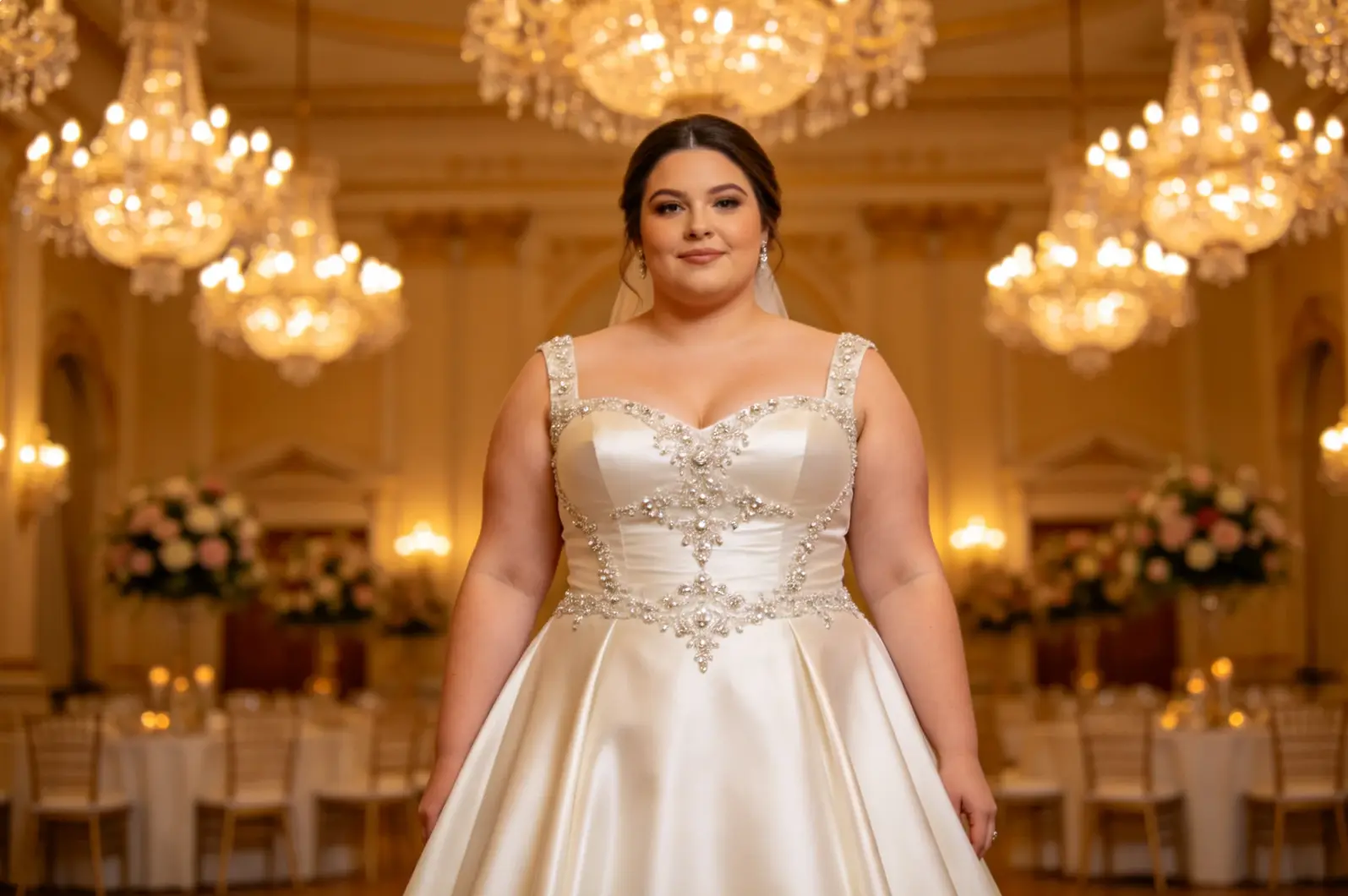
Ballroom or church wedding
Structured gowns, elegant long hems, and refined fabrics usually match the formal atmosphere.
Bridal Guide
This guide focuses on real bridal decisions: how to choose a silhouette that still feels comfortable after hours, what to prioritize in construction, and how to prevent alteration stress close to the wedding date.
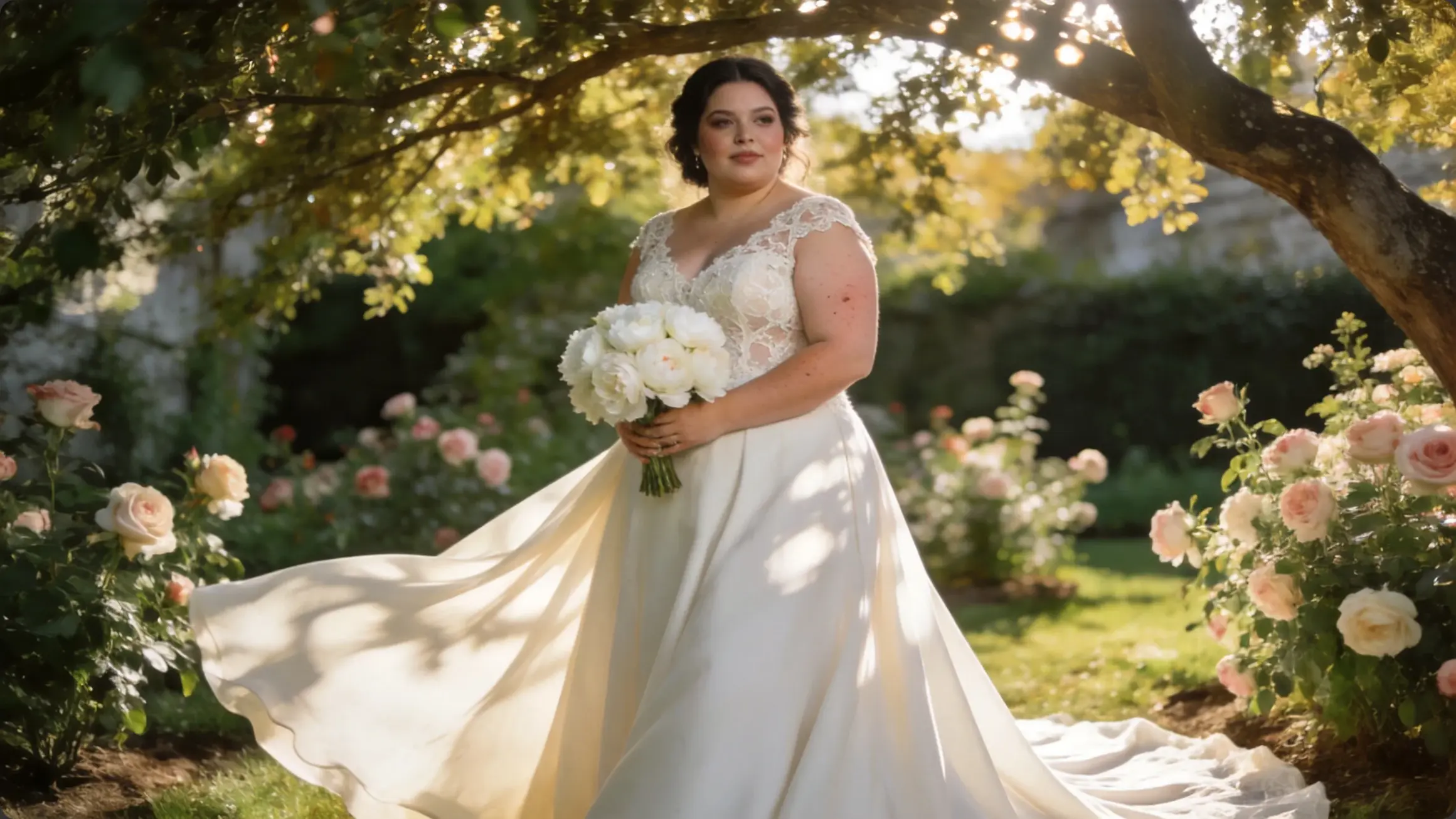
Structured gowns, elegant long hems, and refined fabrics usually match the formal atmosphere.
Prioritize lighter fabrics, airflow, and movement-friendly skirts for comfort in weather changes.
Choose breathable materials, secure support, and simpler structure for easier movement and travel.
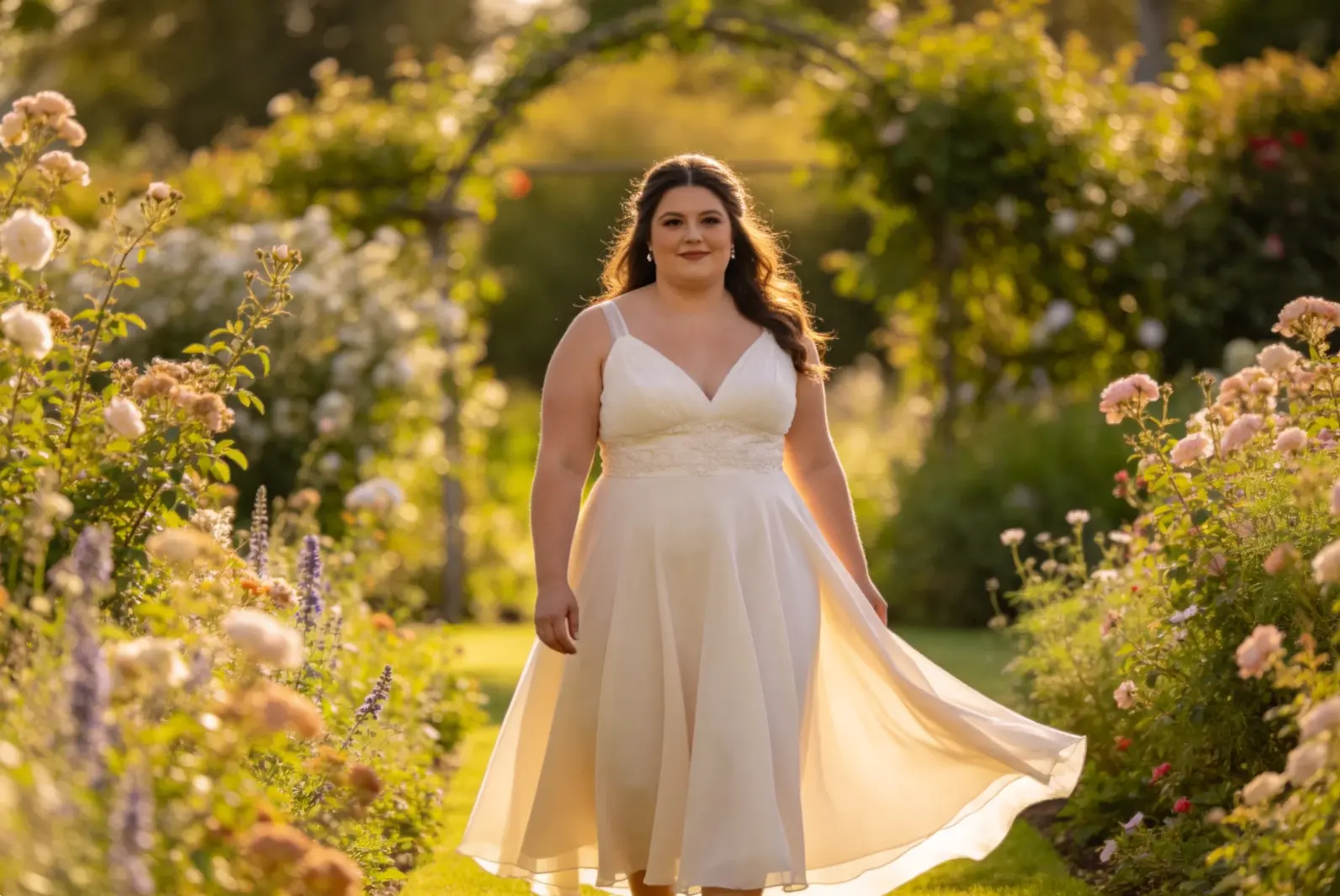
A-line and structured fit-and-flare styles are common starting points because they can define shape without excessive restriction. Column silhouettes can work well when fabric weight and lining support are balanced.
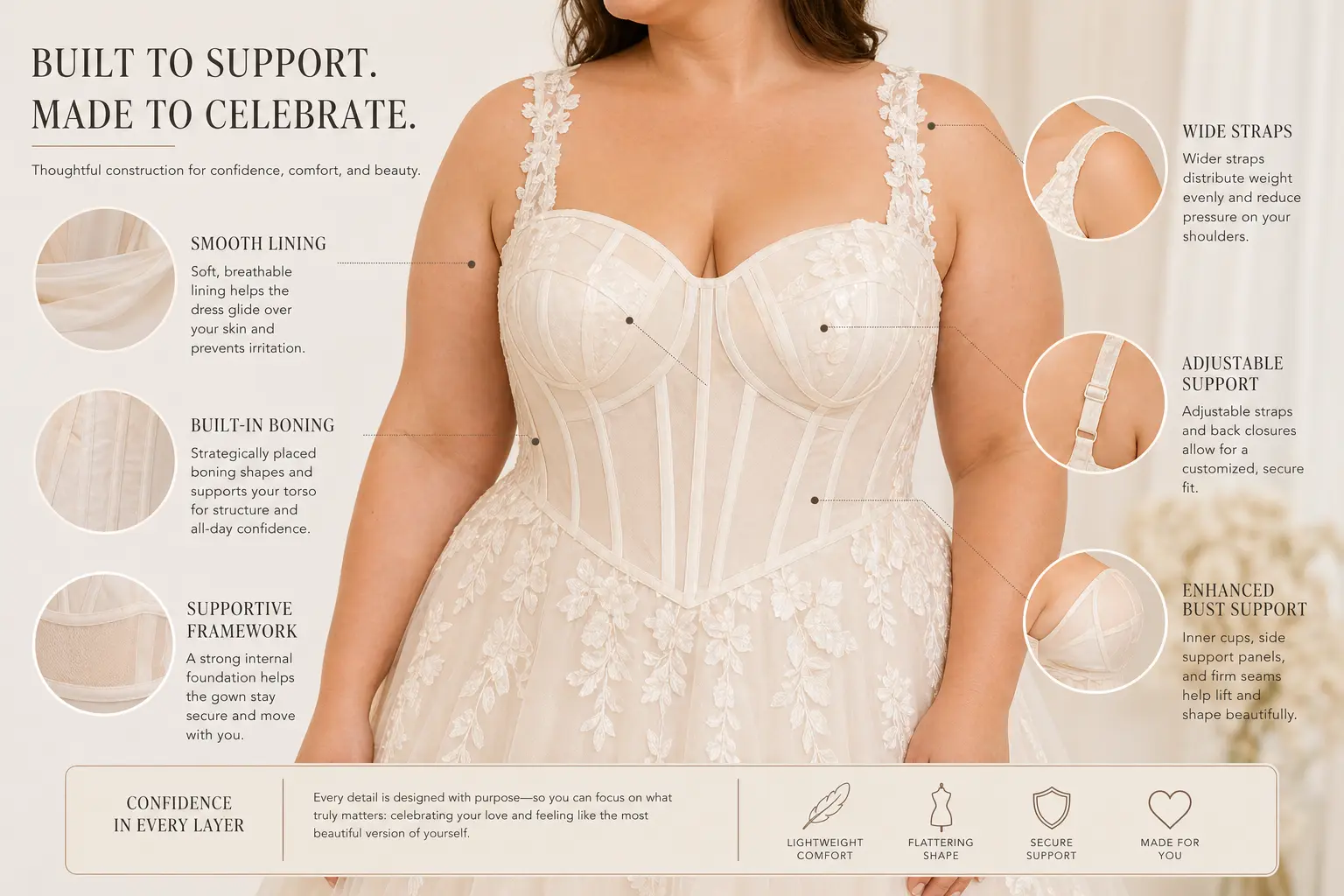
Prioritize construction details before decorative details: internal structure, bust support, strap security, zipper stability, and lining quality. These directly impact how the dress performs across ceremony, dinner, and dance.
Use the top size converter to match bust, waist, and hip before you pick a bridal label, then confirm with the dressmaker's or brand chart.
Breathing, posture, and neckline security while standing for photos.
Waist and bodice comfort when seated for long periods.
Skirt mobility, strap stability, and zipper comfort during repeated motion.
A-line is often the safest starting point because it defines the waist while keeping hip movement comfortable. The best silhouette still depends on your proportions and comfort goals.
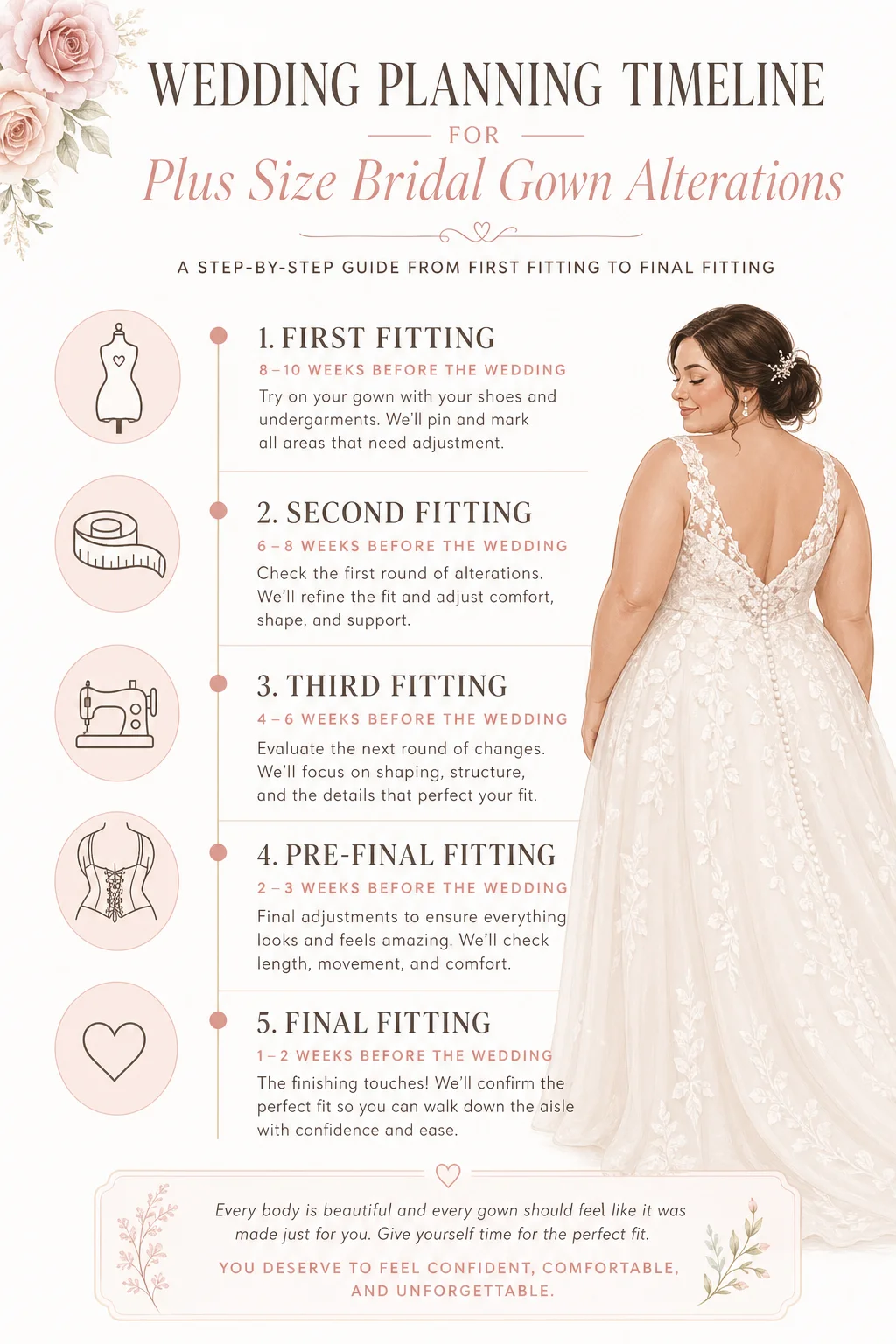
Start early enough to include order lead time and at least two alteration sessions. This gives flexibility for fit adjustments and avoids last-minute compromises.
Not always. Bridal sizing often differs from everyday clothing. Choose based on bust, waist, and hips measurements, then tailor for final precision.
Look for stable lining, inner structure, secure straps or sleeves, and bust support. These features improve comfort during long ceremonies and photos.
Bring your wedding shoes, planned undergarments, and any shapewear or accessories that affect fit. This improves hem and bodice accuracy.
Choose supportive construction first, then refine silhouette details. You should be able to sit, breathe, and move naturally for a full-day event.