
Hotel / Ballroom evening wedding
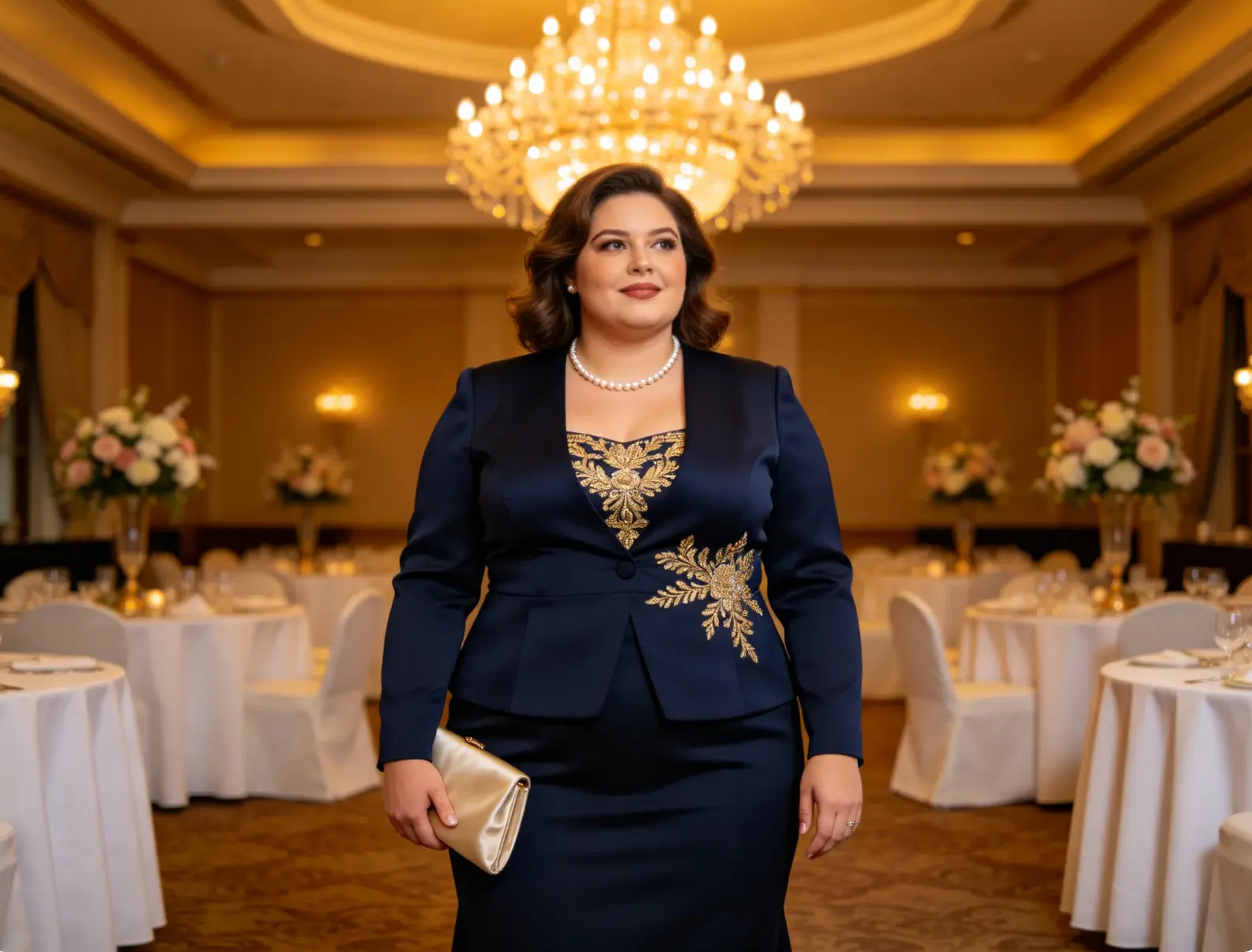
Best direction: Choose polished midi or floor-length silhouettes with structured fabrics and elegant shoes.
Avoid: Avoid very casual fabrics and daytime-only prints.
Wedding Guest Guide
The goal of this page is simple: help you look event-appropriate without sacrificing comfort. You will see practical outfit formulas by venue, role, and timeline—then confirm your plus size with measurements before you order.
Size first, then shop
Measure bust, waist, and hip in cm, then match the plus size clothing size chart (US 14–24 with UK/EU). Example on that chart: US 18 ≈ bust 108 / waist 93 / hip 116 cm. This guide does not rank stores or brands.
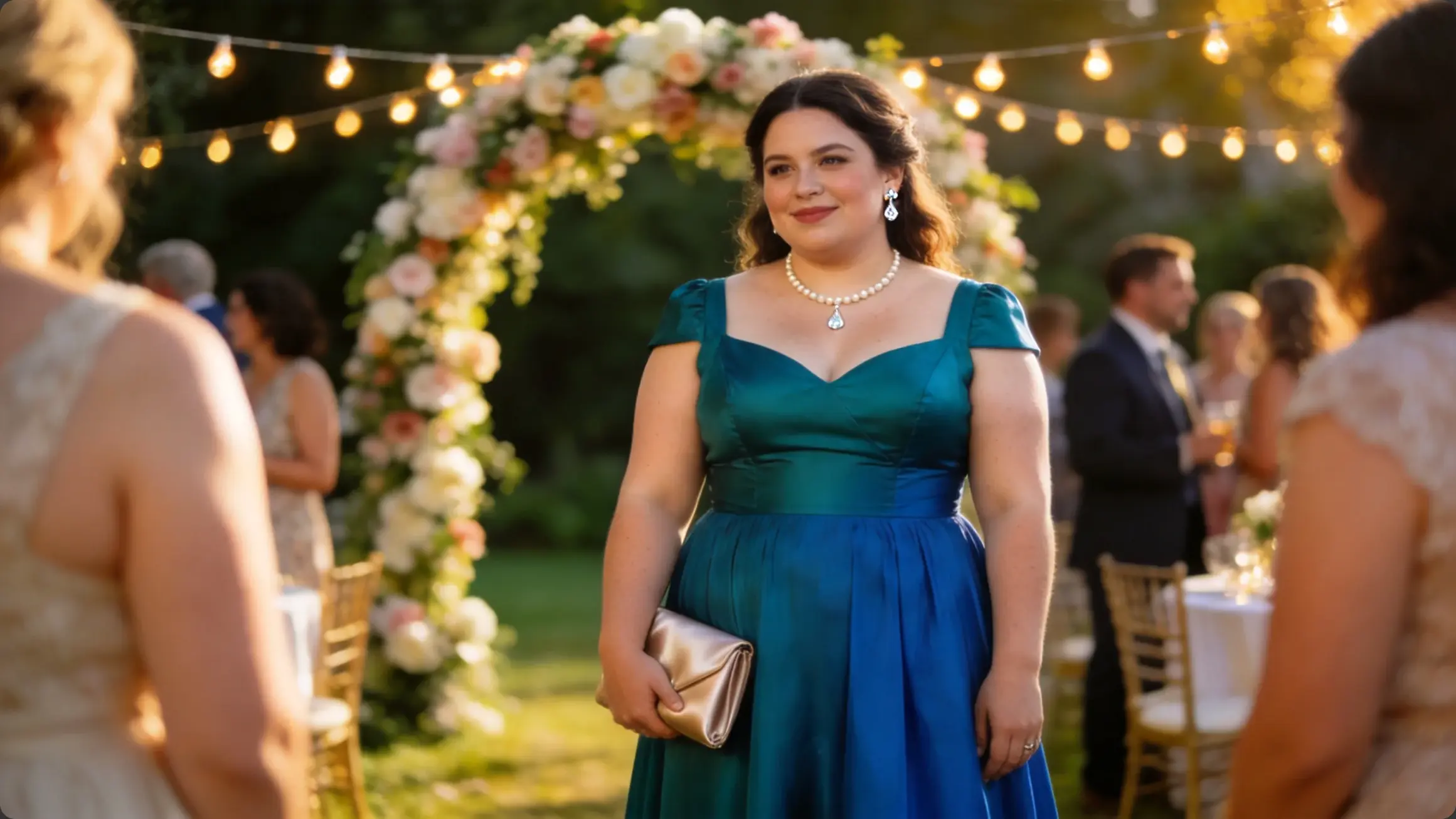
Best direction: Choose polished midi or floor-length silhouettes with structured fabrics and elegant shoes.
Avoid: Avoid very casual fabrics and daytime-only prints.
Best direction: Use breathable material, stable block heels, and movement-friendly hemlines.
Avoid: Avoid heavy gowns that overheat or drag on grass.
Best direction: Prioritize airflow, secure neckline, and lighter fabrics with anti-wind practicality.
Avoid: Avoid thick layers and unstable strap construction.
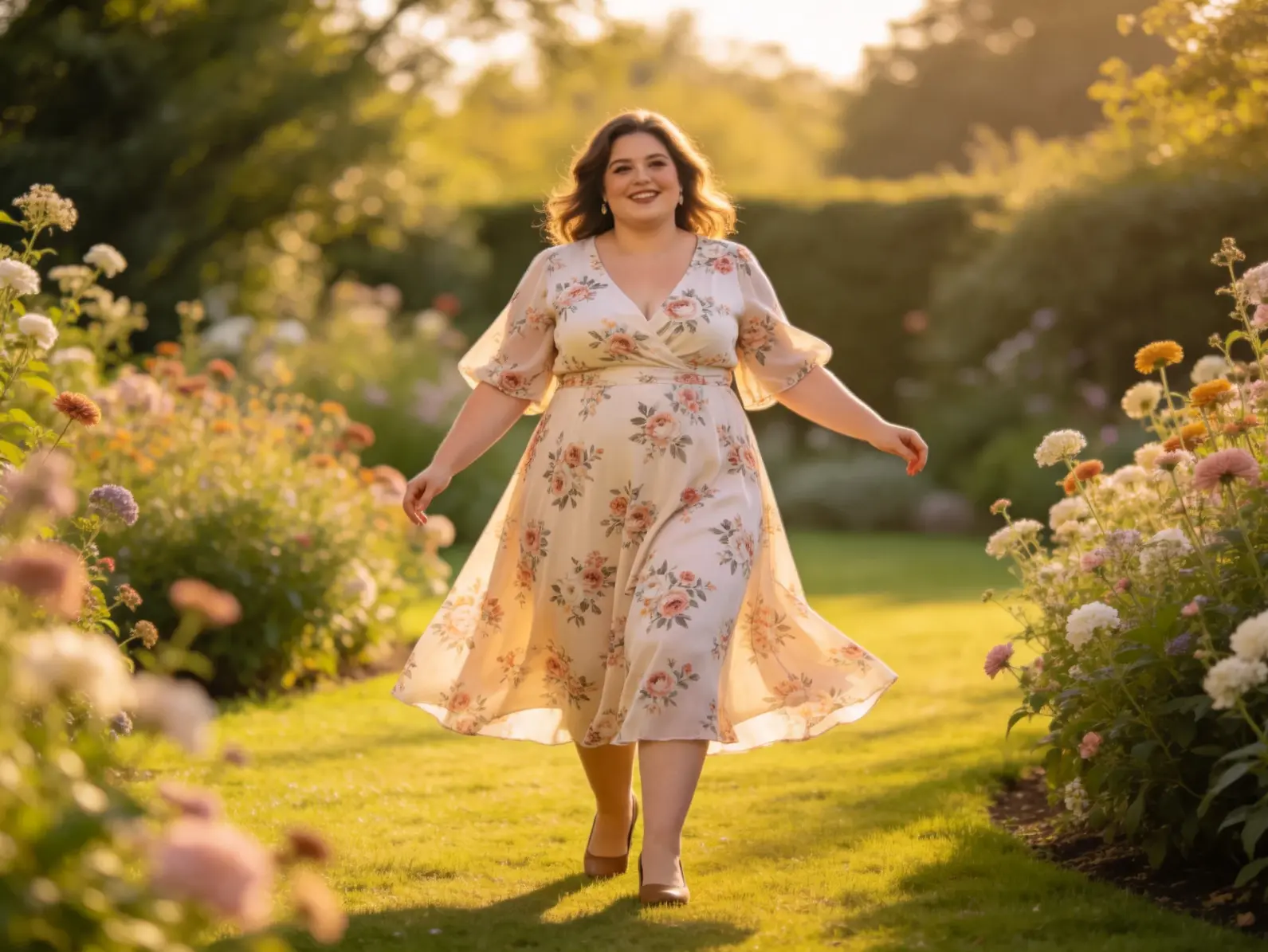
Look formula: Polished midi dress + low heel + small structured bag
Why it works: Safest all-around option when the invitation is not highly specific.
Look formula: Elegant ankle-length dress + sleeve coverage + refined jewelry
Why it works: Balances celebration presence and photo appropriateness without overshadowing key roles.
Look formula: Darker tone formal dress + stable heel + lightweight wrap
Why it works: Works for longer timelines and temperature changes from day to evening.
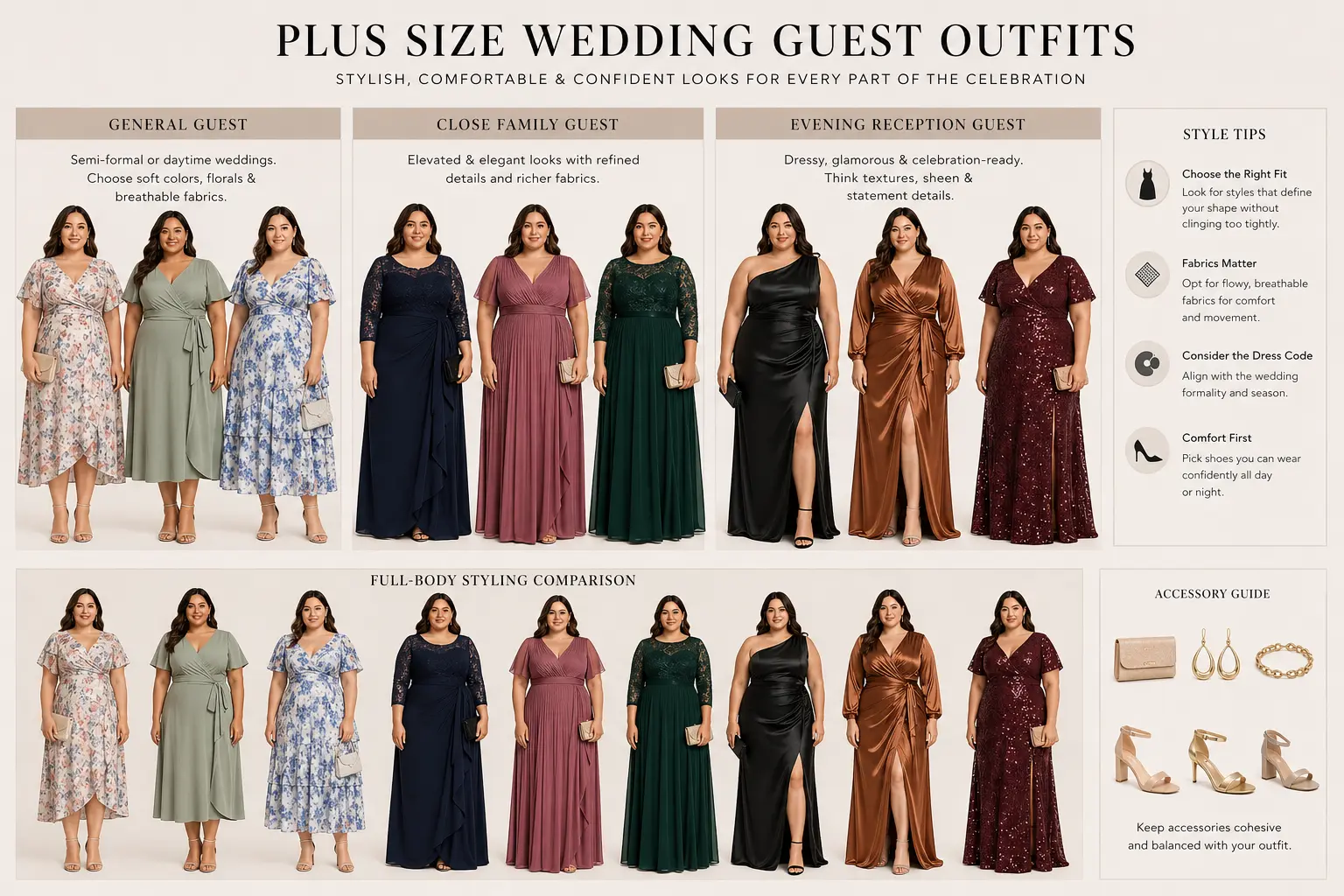
Pick a polished midi silhouette, non-conflicting color, and one layer option for temperature changes. This formula usually works across semi-formal to formal guest contexts.
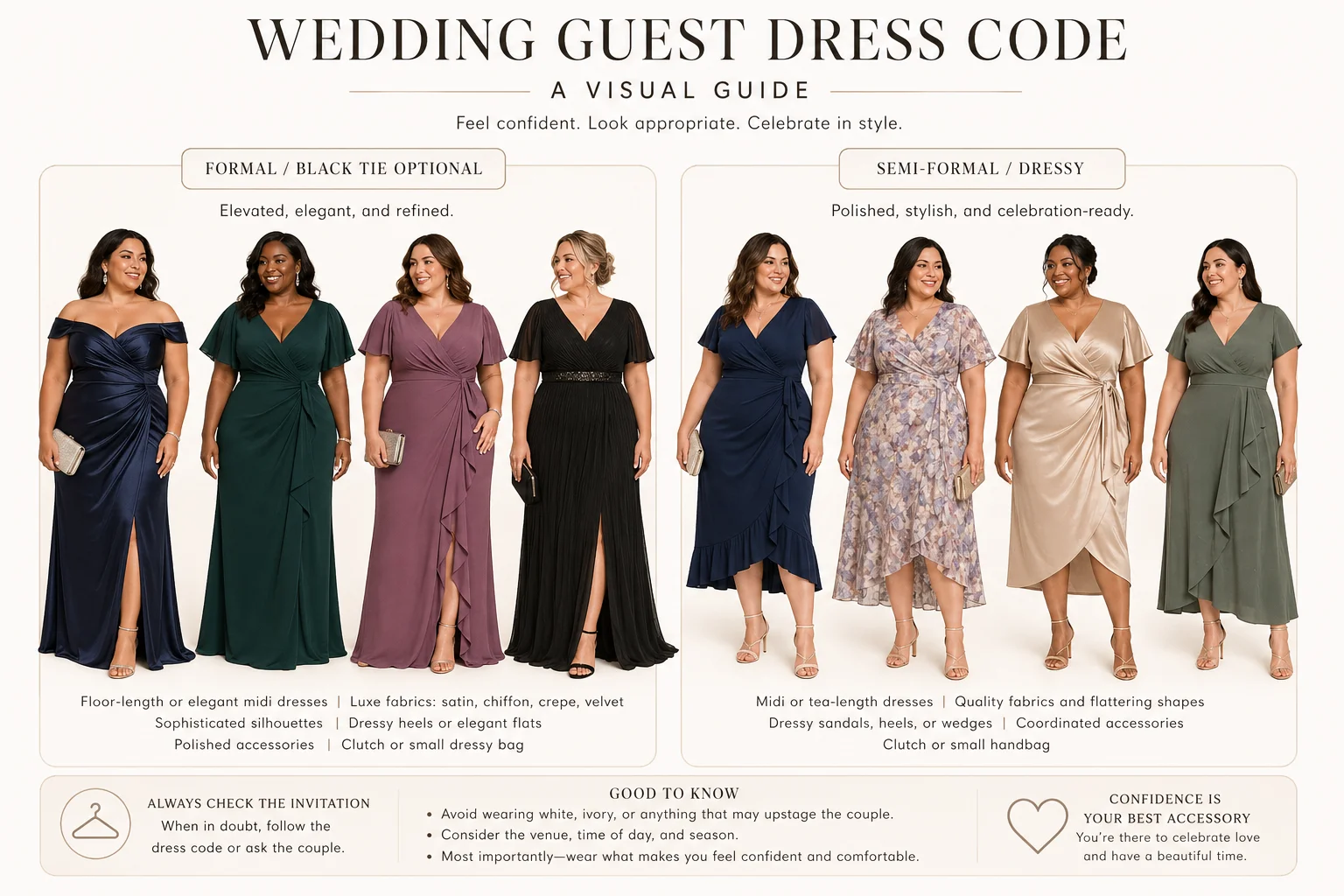
Start with invitation dress code and venue, then choose a polished midi or longer dress in a non-white color. Confirm bust, waist, and hip against a plus size clothing size chart before ordering online.
Measure bust, waist, and hip in centimeters in the afternoon, then match US 14–24 (or 1X/2X) on the plus size clothing size chart. When between sizes, size up for structured dresses. Prefer body measurements over the brand's letter alone.
In most modern weddings, yes. Black is often acceptable, especially for evening events. Balance it with celebratory accessories and follow any explicit invitation guidance.
Formal guest dresses usually lean toward longer lengths, refined fabrics, and polished styling. Semi-formal allows lighter construction, shorter lengths, and more relaxed details.
Anchor your outfit to invitation wording, ceremony time, and venue type. If uncertain, choose a polished midi with adaptable accessories.
Sleeves are often a strong option for day-to-evening transitions and air-conditioned venues. Soft 3/4 sleeves are a practical middle ground.
In most weddings, guests should avoid white or near-white shades unless explicitly allowed by the couple.
A polished midi dress in a non-conflicting color, paired with adaptable accessories, is usually the safest choice.