
Sports Bra Guide by Impact Level
Match support to the activity: high-impact for running and HIIT, medium for cycling, low for yoga—plus notes for larger busts and compression vs encapsulation.
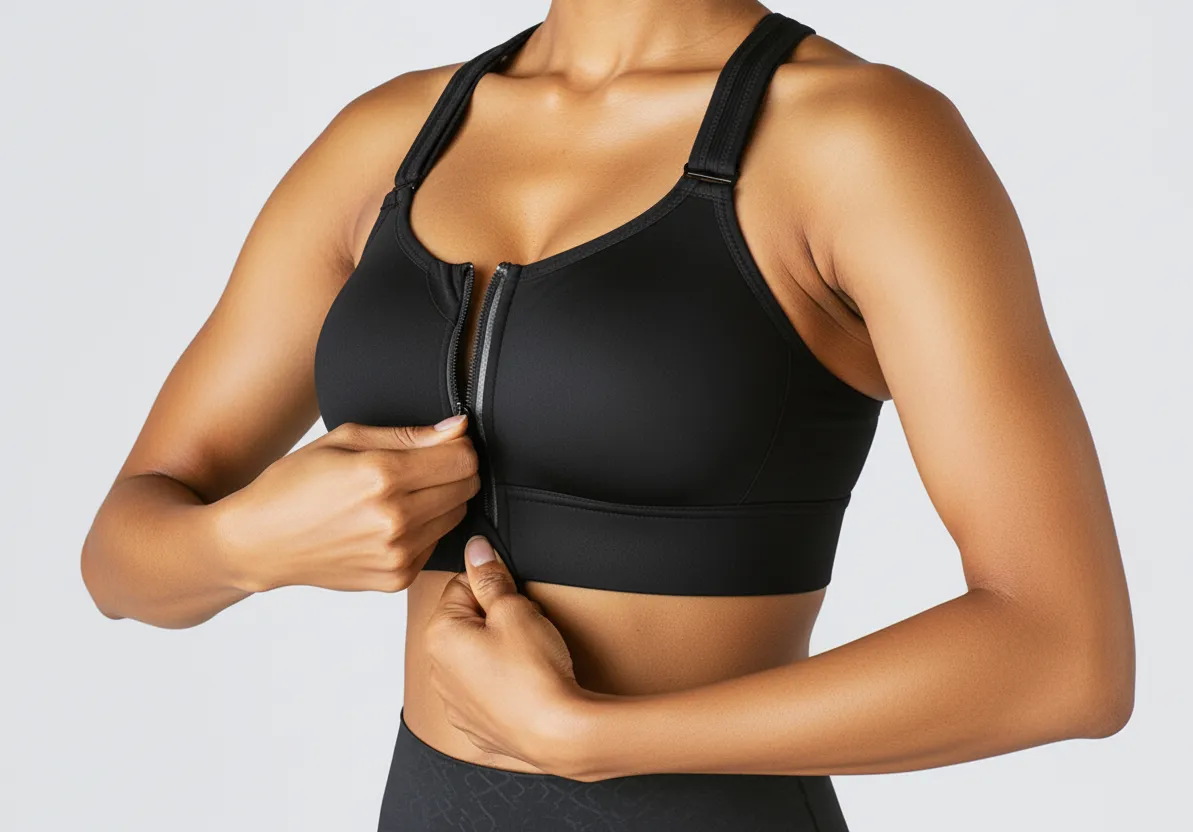
Sports bras limit bounce during gym, running, or yoga. Less movement usually means less discomfort—and for high-impact workouts, better long-term support than an everyday bra.
Less Bounce
High-impact styles can cut breast movement a lot versus no sports bra
Easier Workouts
Stay focused when straps and cups stay put
Right Impact Level
Pick low, medium, or high based on the activity, not the logo
💡 Pro Tip:
Research shows that women with larger breasts experience up to 5cm of movement during running. A proper sports bra can reduce this by 70-80%, making it essential for comfort and health.
Different activities require different levels of support. Understanding your activity level is key to choosing the best sports bra for your needs.
Low Impact
Activities: Yoga, Pilates, walking, light stretching
Best Features:
- • Light compression
- • Comfortable fit
- • Breathable materials
- • Easy to put on/off
Medium Impact
Activities: Cycling, hiking, dance classes, tennis
Best Features:
- • Moderate compression
- • Encapsulation design
- • Moisture-wicking fabric
- • Secure straps
High Impact
Activities: Running, jumping, HIIT, basketball
Best Features:
- • Maximum compression
- • Encapsulation + compression
- • Wide, padded straps
- • Underwire support
Finding the best sports bra for large breasts can be challenging, but it's crucial for comfort and support during physical activity. Women with bigger busts need extra attention to support, coverage, and comfort.
Key Features for Large Busts:
Encapsulation Design
Individual cup support for each breast
Wide Band Support
Distributes weight evenly across the torso
Adjustable Straps
Adjustable straps and band for better support
Moisture-Wicking Fabric
Keeps you cool and dry during intense workouts
Recommended Styles:
Racerback Sports Bras
Provides excellent support and prevents strap slippage
Front Zip Sports Bras
Easy to put on and take off, secure closure
Longline Sports Bras
Extended band provides additional torso support
Compression Sports Bras
Minimizes movement with firm compression
🏃♀️ Running-Specific Tips:
- • Choose high impact sports bras with maximum support
- • Look for bras with minimal bounce (test by jumping in the fitting room)
- • Consider bras with molded cups for better shape
- • Ensure straps don't dig into shoulders during long runs
Modern sports bras come with various specialized features to meet different needs. Understanding these options helps you choose the best sports bra for your specific requirements.
Nursing Sports Bras
For active moms who want to keep exercising
Features:
- • Drop-down cups for easy access
- • Moisture-wicking materials
- • Extra support for changing breast size
- • Comfortable for extended wear
Cotton Sports Bras
Natural, breathable option for sensitive skin
Features:
- • Soft, natural cotton blend
- • Hypoallergenic materials
- • Gentle on sensitive skin
- • Easy care and maintenance
Padded Sports Bras
Extra coverage and shape enhancement
Features:
- • Molded cups for shape
- • Nipple coverage
- • Enhanced silhouette
- • Removable padding options
Proper sizing is crucial for sports bra effectiveness. A poorly fitting sports bra can cause discomfort, chafing, and inadequate support.
Measuring for Sports Bras:
Band Size
Measure around your ribcage, just under your breasts
Cup Size
Measure around the fullest part of your bust
Fit Test
Jump in place - breasts should move minimally
Signs of Proper Fit:
Band is Snug but Comfortable
Should fit firmly around your ribcage
Minimal Movement
Breasts stay in place during activity
No Chafing or Irritation
Straps and band don't cause discomfort
Easy to Breathe
Support without restricting breathing
⚠️ Common Fitting Mistakes:
- • Choosing a size too large - provides insufficient support
- • Straps too tight - can cause shoulder pain and neck strain
- • Band too loose - allows too much movement
- • Ignoring the bounce test - essential for high-impact activities
Wash and dry sports bras as labeled—heat and overstretching wear out elastic and reduce support faster.
Best Materials for Sports Bras:
Moisture-Wicking Fabrics
Polyester, nylon blends that pull sweat away from skin
Compression Materials
Spandex, Lycra for stretch and support
Breathable Mesh
Strategic ventilation for cooling
Anti-Microbial Treatment
Prevents odor-causing bacteria
Care Instructions:
Wash After Each Use
Prevents bacteria buildup and odors
Cold Water Wash
Preserves elasticity and fabric integrity
Air Dry
Heat damages elastic fibers
Avoid Fabric Softener
Can reduce moisture-wicking properties
What's the difference between compression and encapsulation sports bras?
Compression bras flatten breasts against the chest wall, while encapsulation bras have individual cups that surround and support each breast. Encapsulation bras are generally better for larger busts.
How often should I replace my sports bras?
Sports bras typically last 6-12 months with regular use. Replace them when you notice reduced support, stretched out elastic, or visible wear and tear.
Can I wear a regular bra for low-impact activities?
While possible for very light activities like walking, sports bras provide better support and comfort even for low-impact exercises. They're designed specifically for movement.
Should I size up or down for sports bras?
Sports bras should feel snug. If you're between sizes, size for the activity—high-impact usually needs a firmer hold.
Match support level to the activity: high-impact for running, firmer bands for larger busts, and softer cotton or light compression for yoga and recovery days.
Key takeaways
- • Choose support level based on activity intensity
- • Larger busts usually need encapsulation + compression
- • Fit check: jump in place—cups and band should stay put
- • Replace when elastic stretches or support drops
- • Wash per the care label to keep elasticity longer