
Boxing Glove Size Chart
Pick by ounces (oz)—padding weight—not hand circumference. Bag work 8–10 oz; general training 12–14 oz; adult sparring often 14–16 oz. Gym rules beat any generic chart.
Typical US retail, work (EN-style numeric), and coaching charts—confirm the brand chart you buy.
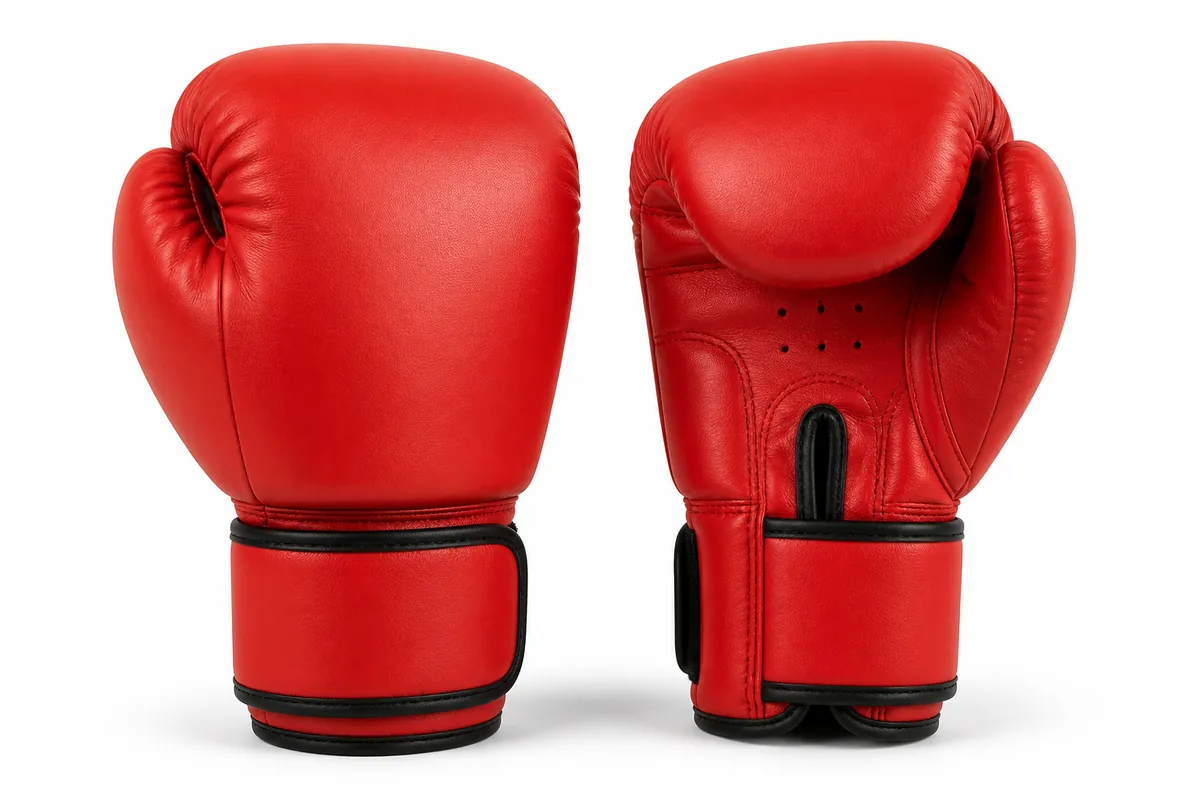
Quick picks
- Solo bag / pads: 10–12 oz for many adults; 8–10 oz if you want speed.
- All-around gym pair: 12–14 oz.
- Partner sparring: 14–16 oz (ask if the gym requires 16).
- Heavier body weight: lean toward the higher oz in each band below.
Need S/M/L winter or work gloves? That system uses hand cm on the glove size chart—not boxing ounces.
What oz means
- The ounce (oz) number is mostly padding weight—not your hand circumference in cm.
- Higher oz usually means more foam for the other person's safety in sparring.
- A 12 oz bag glove and a 16 oz sparring glove can share a similar shell size but feel different on impact.
- Always try gloves on with the hand wraps (or gel wraps) you actually use.
By training use
| Use | Typical oz | Note |
|---|---|---|
| Bag work / speed | 8–10 oz | Lighter for pads and speed bags |
| General training | 12–14 oz | Most common gym pair |
| Sparring (adult) | 14–16 oz | More padding for partners |
| Competition (amateur) | 10–12 oz | Follow event rules—not gym feel alone |
By body weight (adult guide)
Starting ranges only. If your gym posts a required sparring ounce, follow that number.
| Body weight | Training | Sparring |
|---|---|---|
| Under 100 lb (45 kg) | 8–10 oz | 12–14 oz |
| 100–150 lb (45–68 kg) | 10–12 oz | 14–16 oz |
| 150–180 lb (68–82 kg) | 12–14 oz | 16 oz |
| Over 180 lb (82 kg) | 14–16 oz | 16–18 oz |
How to choose
- Confirm gym or event rules for sparring and competition ounces.
- Pick training oz from the body-weight table if you are unsure.
- Use a heavier pair for partner sparring than for solo bag work when you can own two pairs.
- Check wrist strap lock and finger reach with wraps on before you buy.
Fit checklist
- Fingers reach the end of the glove without crumpling; no large empty tip.
- You can make a fist comfortably after wrapping.
- Wrist closure stays firm when you punch the air—no flopping.
- For women or narrower hands, try brands with a narrower palm—oz still follows the same padding idea.
Related sports (different systems)
- MMA / bag gloves: often sold by oz too, but shells and wrist support differ—do not assume a boxing 16 oz sparring pair equals an MMA glove.
- Muay Thai: many gyms still use boxing-style oz charts; ask coaches for clinch and pad preferences.
- Hand size context only: average hand size—it does not set your oz.
FAQ
- What size boxing gloves do I need?
- Most adults train in 12–14 oz and spar in 14–16 oz. Lighter 8–10 oz pairs suit bag work and speed. Heavier body weight usually means more padding for sparring partners—use the weight table on this page, then confirm gym rules.
- What does boxing glove oz mean?
- Ounce (oz) mainly labels padding weight. Higher oz usually means more foam for impact absorption—especially important when someone else is on the receiving end of sparring.
- Do boxing gloves use hand circumference?
- Ounce labels padding, not your hand cm. Still choose a shell that fits your hand and wrap thickness—brands publish separate fit notes. Everyday winter gloves use a different cm chart.
- What boxing glove size for sparring?
- Adult sparring commonly uses 14–16 oz; many gyms require 16 oz. Confirm the gym or event rule before you buy.
- What boxing glove size for beginners?
- A 12–14 oz pair covers most beginner bag and pad work. If you will spar soon, ask the gym whether they require 16 oz so you do not buy twice.
- Are women's boxing gloves sized differently?
- Oz ratings follow the same padding idea. Some lines offer narrower palms or shorter fingers—try fit with hand wraps on.
- Can I use the same gloves for bag work and sparring?
- You can, but many boxers keep a lighter pair (often 10–12 oz) for bags and a heavier pair (14–16 oz) for sparring so partners stay safer and bag gloves last longer.