
How to Choose the Right Bed Sheets
Fitted vs flat sheets, mattress depth, special beds, and which sheet size fits.
Measure mattress depth to choose pocket depth
Fitted sheets stay in place better than flat sheets
Match sheet size to mattress size exactly
Special beds need special sheets
Sheet choice depends on mattress type, depth, and how you like sheets to feel. Below: what to measure and how to pick a size that tucks cleanly.
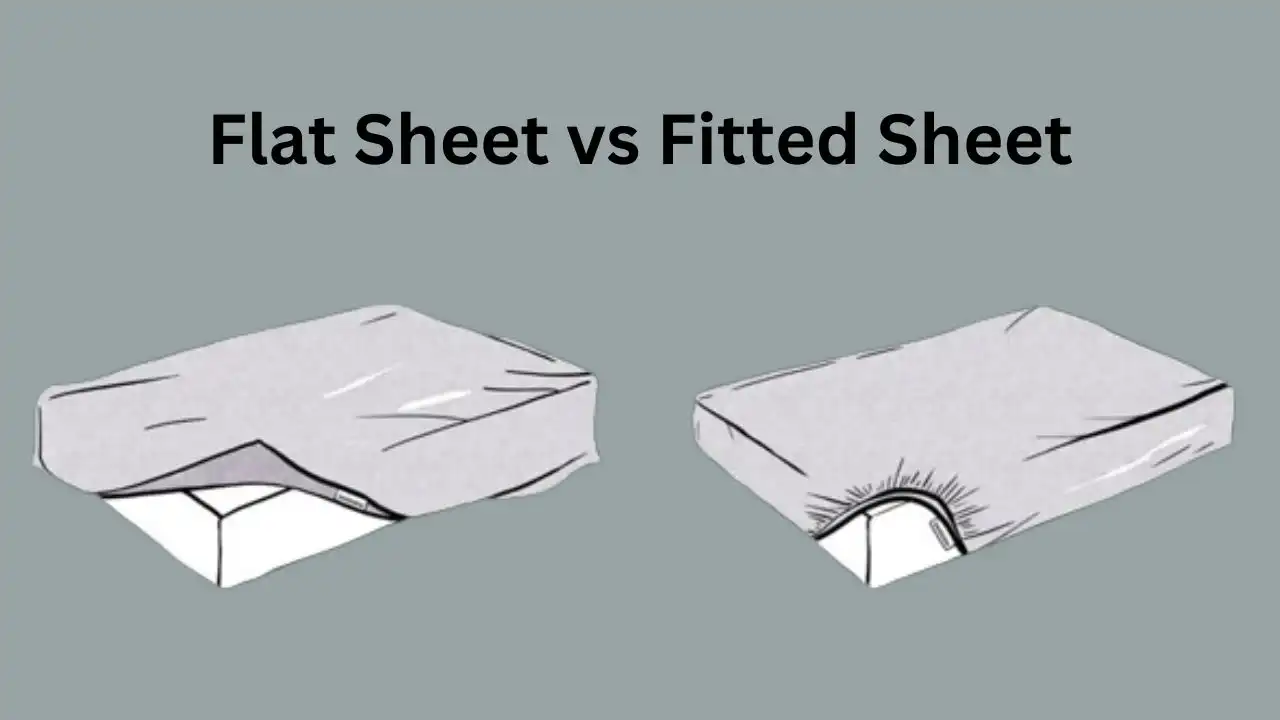
Fitted Sheet vs Flat Sheet: What's the Difference?
| Feature | Fitted Sheet | Flat Sheet |
|---|---|---|
| Elastic Corners | Yes, elastic around all edges | No elastic |
| Stays in Place | Yes, wraps around mattress | May shift during sleep |
| Ease of Use | Easy to put on, stays secure | Requires tucking, may need adjustment |
| Styling Flexibility | Limited, covers mattress only | More flexible, can be styled various ways |
| Modern vs Traditional | Modern, most common today | Traditional, classic styling |
| Best For | Most mattresses, easy maintenance | Traditional bedding, decorative styling |
- You want sheets that stay in place
- Easy maintenance and quick bed making
- Modern bedding style
- Most common and widely available
- Traditional or vintage bedding style
- More styling and decorative options
- Prefer classic bedding aesthetics
- Want flexibility in how sheets are arranged
How to Choose Sheet Pocket Depth
To determine which pocket depth you need, measure your mattress from the top surface to the bottom, including any mattress toppers or pads. This is the total thickness you need to accommodate.
Tip: Use a tape measure and measure at the edge of the mattress where the sheet will wrap around. Include any mattress toppers in your measurement.
Best for: Traditional mattresses, most standard bed frames, and mattresses without toppers.
Standard pocket sheets fit mattresses that are 7-9 inches thick. This is the most common mattress depth and works for most traditional bed setups.
Best for: Pillow-top mattresses, mattresses with toppers, memory foam mattresses, and thicker mattresses.
Deep pocket sheets accommodate mattresses that are 12-15 inches thick. These are essential for modern mattresses with pillow tops or additional padding layers.
Best for: Very thick mattresses, adjustable beds with thick mattresses, and mattresses with multiple toppers.
Extra deep pocket sheets fit mattresses that are 16-22 inches thick. These are necessary for the thickest mattresses and specialty bed setups.
Sheets for Special Bed Types
Adjustable beds require sheets with extra stretch and flexibility. Look for sheets specifically labeled "adjustable bed compatible" or "flexible fit." These sheets have:
- Extra elastic for movement
- Reinforced corners
- Stretchy fabric that won't tear
Hospital beds have specific dimensions and often require specialized sheets. Hospital bed sheets are typically:
- Designed for medical bed frames
- Easy to change and maintain
- Available in specific hospital bed sizes
Daybeds typically use Twin XL or Full size mattresses. Choose sheets based on your daybed's mattress size. Daybed sheets should:
- Match the daybed mattress size
- Fit snugly to avoid shifting
- Coordinate with daybed styling
Special Size Sheets
Size: Typically 15 x 27 inches (38 x 69 cm)
Bassinet sheets are smaller than crib sheets and designed specifically for bassinets. They must fit snugly to ensure baby safety.
Size: 28 x 52 inches (71 x 132 cm)
Crib sheets are specifically sized for standard crib mattresses. They must fit tightly to prevent loose fabric, which is a safety hazard for babies.
Size: Varies by model, typically 27 x 39 inches (69 x 99 cm)
Pack n Play sheets are designed for portable play yards. Check your specific model's dimensions, as sizes can vary between brands.
Understanding Thread Count
Thread count refers to the number of horizontal and vertical threads per square inch of fabric. It's often used as an indicator of sheet quality, though it's not the only factor that determines comfort and durability.
Thread Count Ranges:
- 200-400: Basic quality, affordable, breathable. Good for everyday use and hot sleepers.
- 400-600: Good quality, soft feel, balanced durability and comfort. Most popular range.
- 600-800: High quality, very soft, luxurious feel. Good durability and comfort.
- 800+: Premium quality, extremely soft, but may be less breathable. Not always better than lower counts.
Important Notes:
- • Higher thread count doesn't always mean better quality
- • Thread quality and fabric type matter more than count alone
- • Very high thread counts (1000+) may be less breathable
- • For cotton sheets, 300-600 thread count is often the sweet spot
Sheet Size Compatibility
Understanding sheet size compatibility helps ensure you choose the right sheets for your mattress:
- Twin and Twin XL: Different sizes - Twin XL is longer. Sheets are not interchangeable.
- Full and Double: Same size - terms are interchangeable.
- Queen: Unique size - not compatible with other sizes.
- King and California King: Different sizes - King is wider, California King is longer. Sheets are not interchangeable.
No, Full size sheets will not properly fit a Queen bed. Here's why:
Size Differences:
- • Full mattress: 54" × 75" (137 × 190.5 cm)
- • Queen mattress: 60" × 80" (152 × 203 cm)
- • Queen is 6 inches wider and 5 inches longer
What Happens if You Try:
- • Fitted sheets will be too small and won't stay on
- • Flat sheets will be too narrow and won't cover properly
- • Sheets will constantly come loose or shift
- • Poor fit can cause discomfort and premature wear
Recommendation: Always match your sheet size exactly to your mattress size. Using the wrong size will result in poor fit, discomfort, and sheets that don't stay in place.
Frequently Asked Questions
Related Guides & Tools
Bed Sheet Size Chart
Fitted and flat sheet sizes for Twin through Cal King.
How to Fold a Fitted Sheet
Corner-tucking method to fold a fitted sheet.
Bed Sheet Material Comparison
Compare cotton, microfiber, bamboo, linen, and polyester sheets.
Memory Foam vs Hybrid Mattress
Why mattress thickness varies by construction and how to measure for pocket depth.